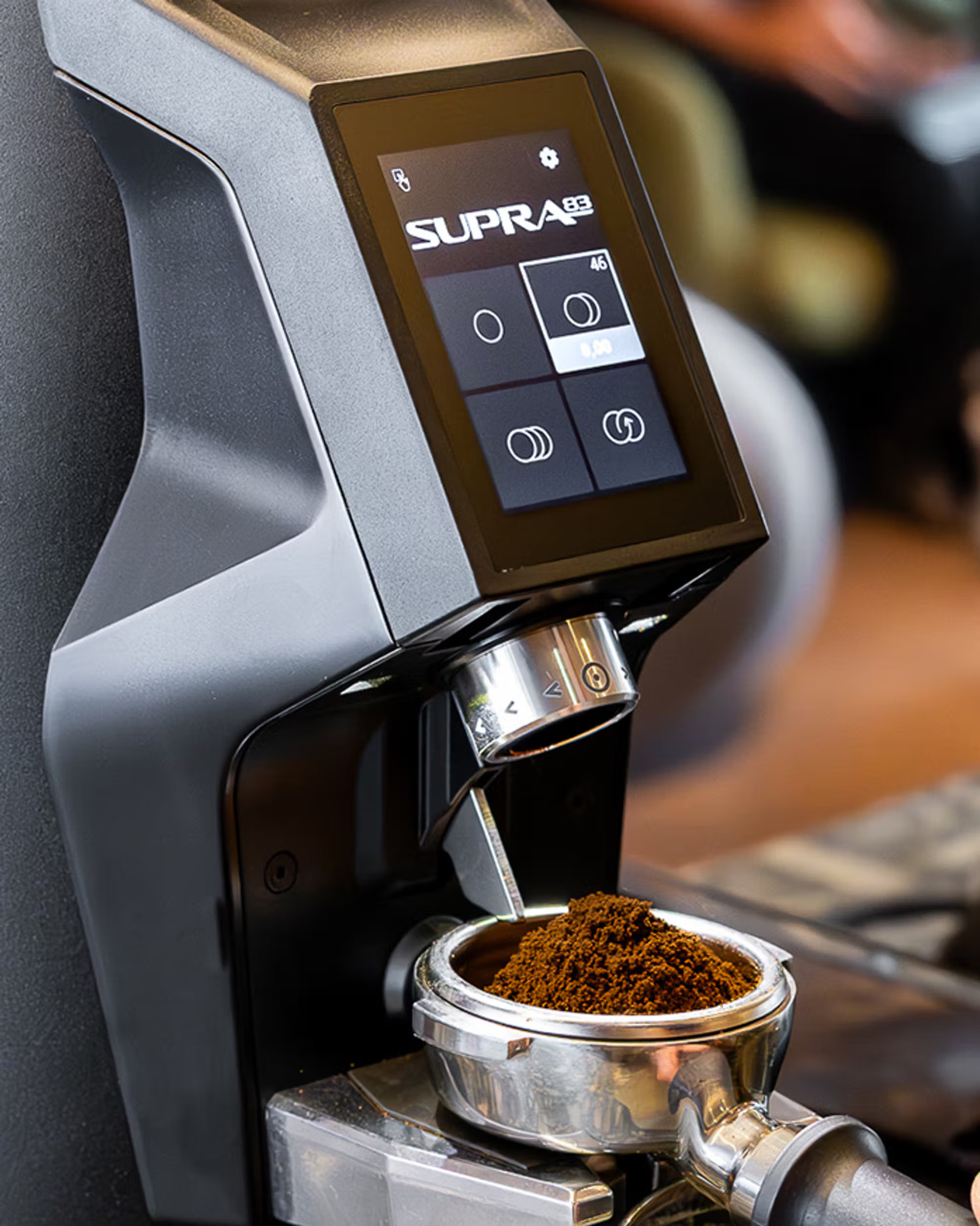
Macap Supra 68 vs 83: Which Grinder Is Right for Your Business?

Author:
Nat Hill
Posted:
07/08/2026
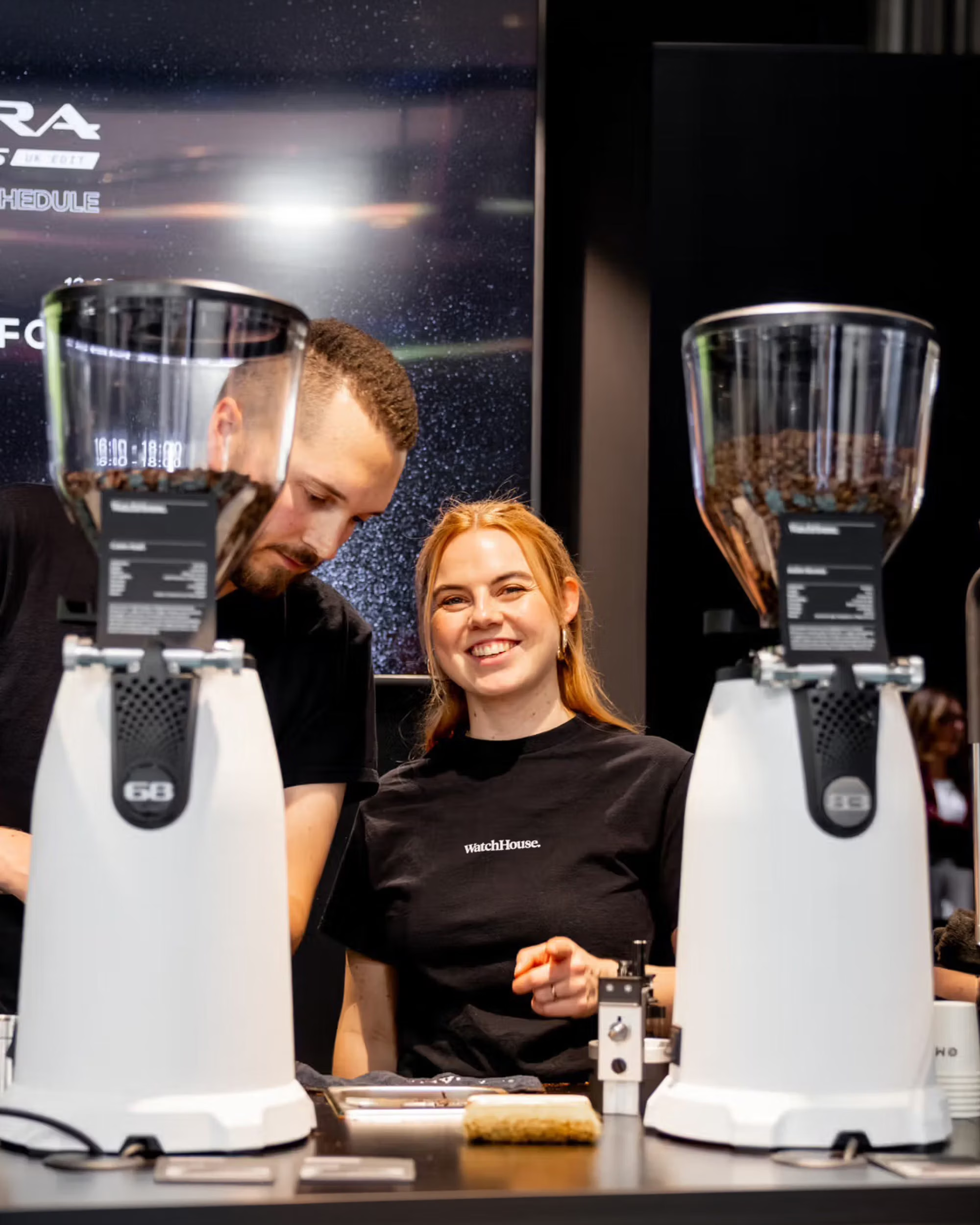
Picking between the Macap Supra 68 and Supra 83 comes down to more than just burr size. Both grinders are built for demanding commercial environments – same focus on consistency, durability and a smooth workflow – but each is suited to a slightly different level of demand.
For a lot of cafés, the Supra 68 gives you more than enough speed and capacity to handle a busy service. But for higher-volume sites where every second counts, the Supra 83 takes things a bit further.
In this guide, I’ll run through the key differences between the two and help you work out which Supra is the better fit for your business.
Supra 68 vs Supra 83: The Key Differences
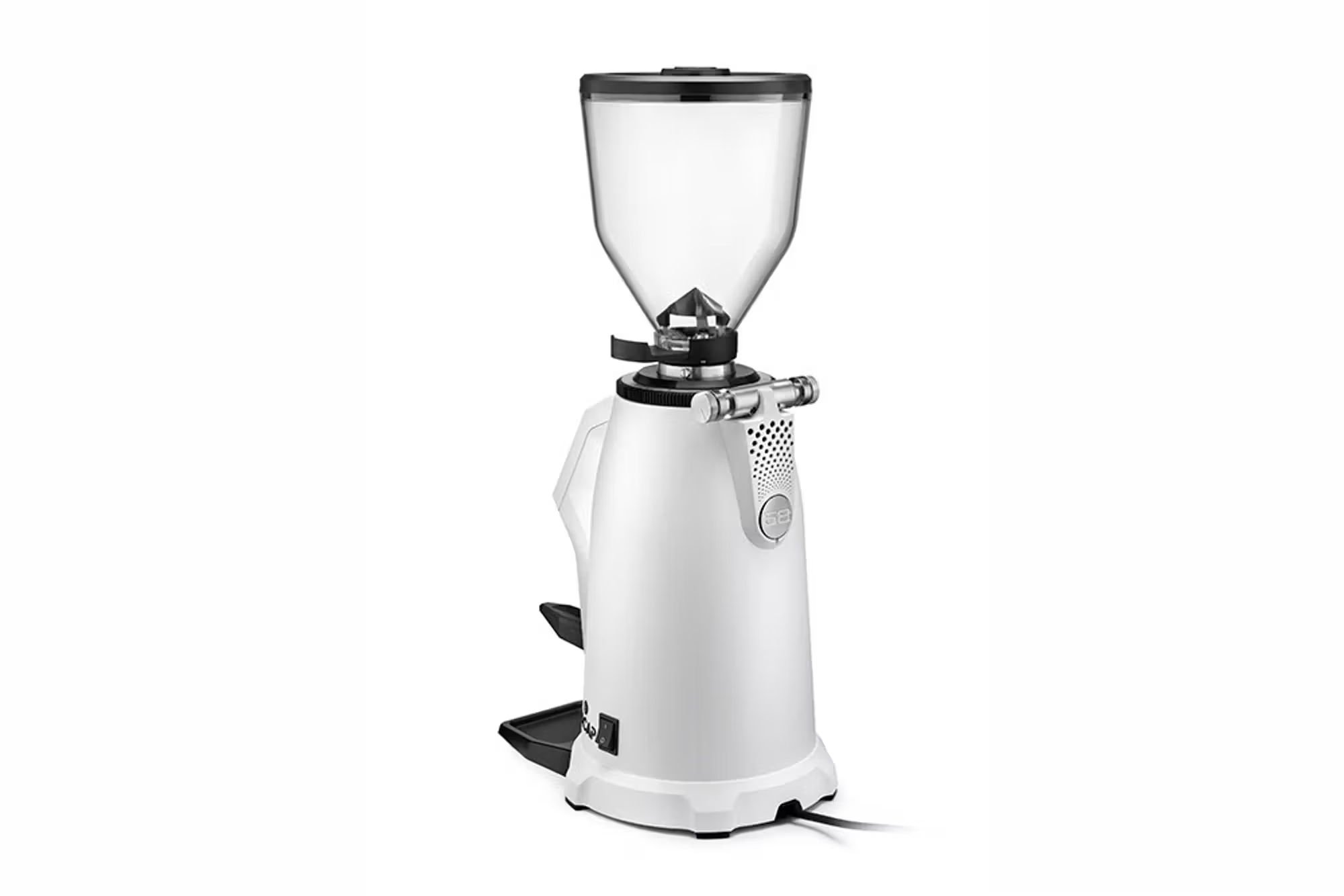
Supra 68
- 68mm flat burrs
- Approx. 3.8–4.5g/s grinding speed
- Built for busy commercial environments
- A great balance of speed, footprint and performance
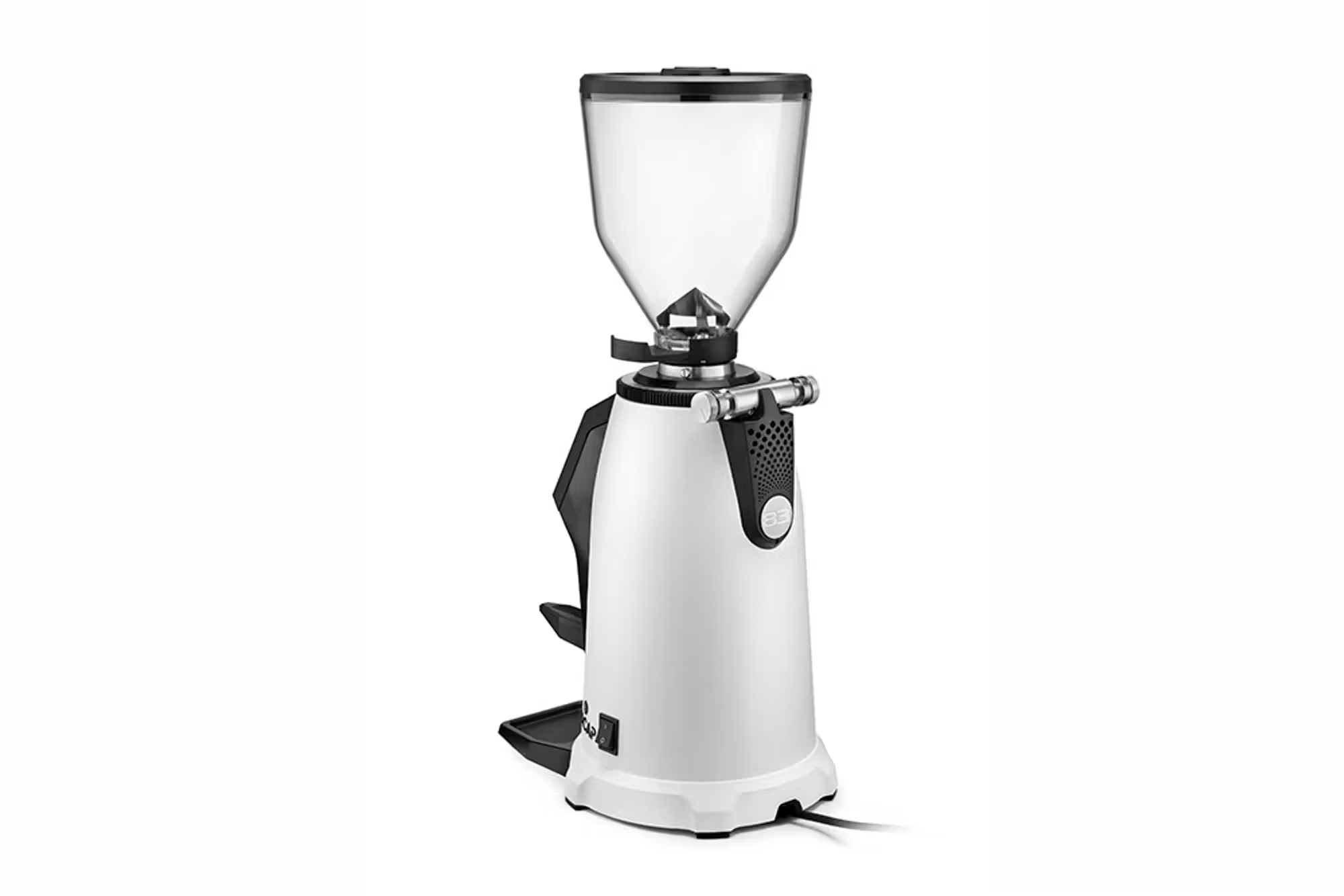
Supra 83
- 83mm flat burrs
- Approx. 5.5–6g/s grinding speed
- Built for very high-volume environments
- Maximum throughput where service speed is critical
When Should You Choose the Supra 68?
For most busy independent cafés, restaurants and hospitality businesses, the Supra 68 strikes a great balance between speed and control.
Its 68mm burrs handle sustained service comfortably, without needing the extra capacity of the Supra 83.
It’s particularly well suited to businesses with defined rush periods, rather than ones running flat out all day.
Think busy speciality cafés, bakeries, restaurants, hotel coffee bars and multi-site operators after a dependable main grinder.
The Supra 68 is fast enough to keep up with demanding service, while still holding onto the precision and consistency you need for quality espresso.
When Should You Choose the Supra 83?
The Supra 83 is built for environments where throughput becomes a genuinely critical part of the workflow.
The larger 83mm burrs increase grinding capacity, cutting down the time needed to prepare each dose and helping baristas keep their momentum during sustained high-demand periods.
For high-volume coffee shops, transport hubs, drive-throughs, large hospitality venues and really busy multi-group espresso bars, those seconds genuinely matter.
If your grinder regularly becomes one of the limiting factors during peak service, the Supra 83 is likely the stronger choice.
It’s not just that it grinds faster – it gives you more headroom, so it keeps performing consistently even when demand stays high for longer stretches.
Macap Tip: Buy for Your Busiest Hour
When you’re specifying a commercial grinder, I wouldn’t base the decision purely on average daily coffee sales. Instead, look at your busiest hour. If your kit can comfortably handle peak demand, the rest of the day becomes a lot easier. Building in a bit of extra capacity can also give your business room to grow without compromising workflow.
Shared Supra Technology
Whichever burr size you go for, both models are built on the same Supra platform.
So you still get the benefit of the technology designed to make high-volume grinding easier and more repeatable.
CTS – Coffee Targeting System
The Supra’s spout can be adjusted to deliver ground coffee exactly where it needs to go – right into the centre of the portafilter.
This helps keep the workflow cleaner and more controlled, with less mess around the grinder.
FOS – Fast Opening System
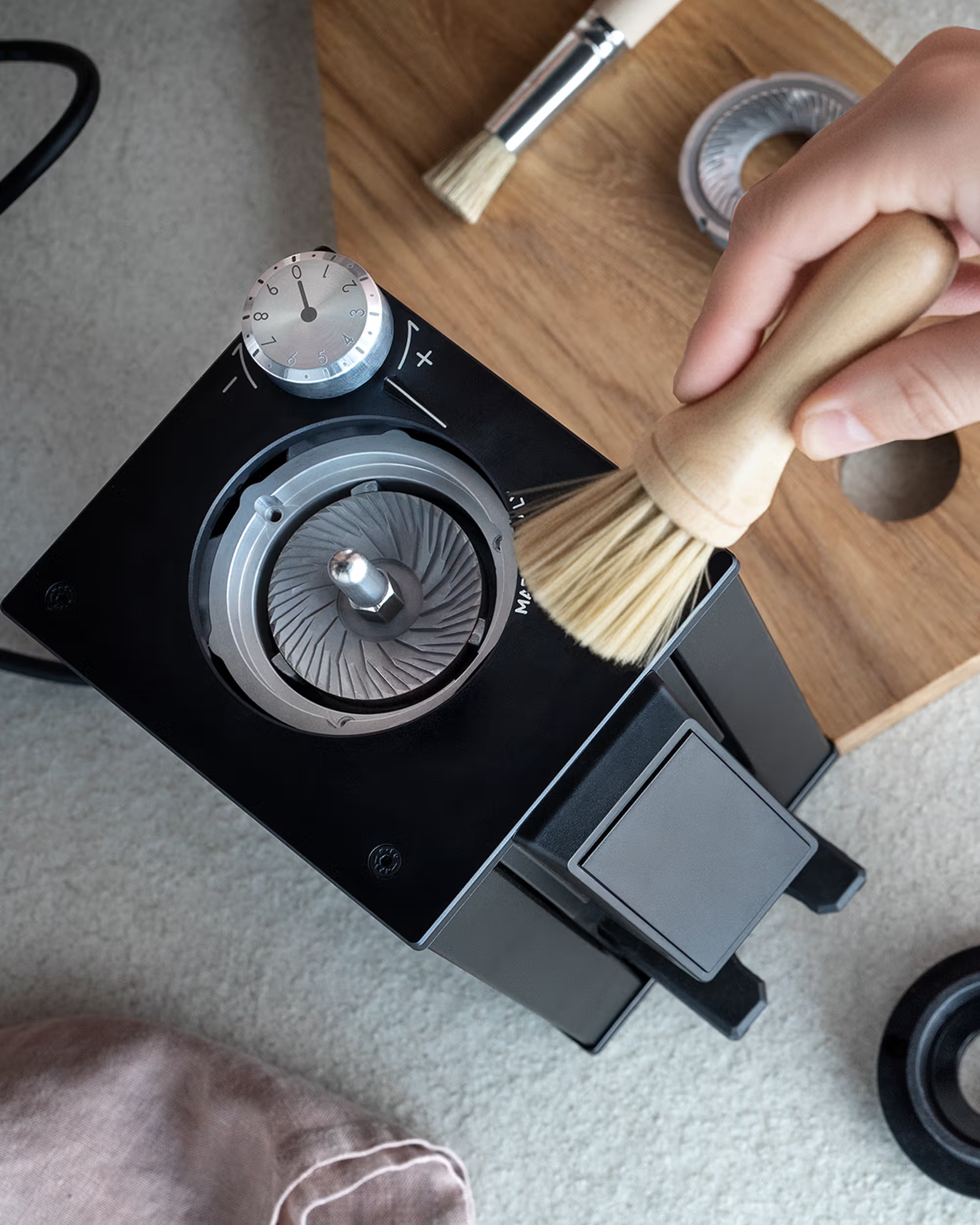
The Fast Opening System lets you move instantly between micro and macro adjustments with a simple click.
It also gives quick access to the grinding chamber, which makes routine maintenance and cleaning a lot easier for busy operators.
Superior Mechanics
Inside, every mechanical component is built for smooth, consistent operation under load.
The result is a grinder that’s not just designed for short bursts of speed, but for reliable performance day after day in demanding commercial environments.
What About the Supra G Series?
Both burr sizes are also available as part of the Supra G Series, which brings in Macap’s commercial grind-by-weight technology.
It combines Instant Tare Technology with Smart Dose Recognition, so the grinder recognises the portafilter and gets ready for weight-based dosing with barely any interruption to the barista’s workflow.
If you’re after better dose consistency, less waste and simpler training across bigger teams, the G Series adds another layer of control to either the Supra 68 or Supra 83 platform.
So the decision between 68mm and 83mm stays much the same: pick your burr size based on throughput, then decide between standard or G Series depending on the workflow and dosing technology your operation needs.
FAQs
What is the main difference between the Macap Supra 68 and Supra 83?
The main difference comes down to burr size and grinding speed. The Supra 68 uses 68mm flat burrs and grinds at around 3.8–4.5g/s, while the Supra 83 uses larger 83mm burrs and delivers around 5.5–6g/s.
Is the Supra 83 better than the Supra 68?
Not necessarily. The Supra 83 offers more grinding capacity, so it’s better suited to really high-volume environments. For a lot of busy cafés, the Supra 68 will already do the job nicely.
Is the Supra 68 suitable for a busy café?
Yes. The Supra 68 is built for demanding commercial environments and can comfortably work as the primary espresso grinder in busy cafés and hospitality businesses.
Who should choose the Supra 83?
The Supra 83 suits businesses with very high peak demand – think high-throughput cafés, transport locations, large hospitality venues and other spots where grinder speed can directly affect service times.
Are both Supra models available with grind-by-weight technology?
Yes. Both burr formats are available in the Supra G Series, which adds commercial grind-by-weight functionality alongside Instant Tare Technology and Smart Dose Recognition.
Does the larger 83mm burr set improve espresso quality?
Not automatically. Both grinders are built for consistent espresso grinding. The main benefit of the larger 83mm burr set is more productivity and greater capacity during sustained high-volume service.